Inquire about the gold price period in the Middle East

Apr 14, 2025 By Daniel Scott

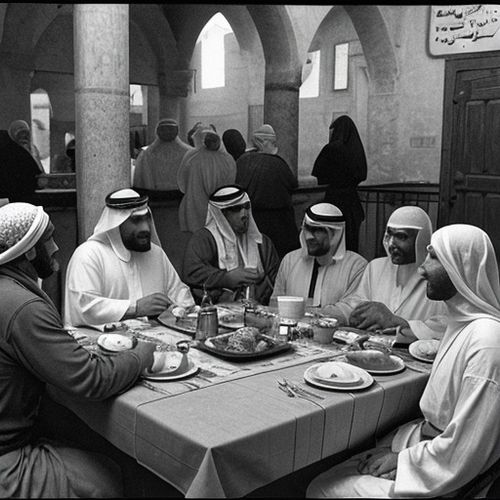
The gold markets of the Middle East operate within unique temporal frameworks that both reflect regional business customs and respond to global financial currents. Unlike Western markets that strictly adhere to Greenwich Mean Time or Eastern Time, Middle Eastern gold trading follows rhythms dictated by local culture, Islamic financial principles, and the strategic geographical position bridging Asian and European trading hours.


Dubai's Gold Souk sets the pace for regional pricing, with its official trading window running from 10:00 AM to 6:00 PM Gulf Standard Time (GST). However, the most volatile price movements typically occur during two key periods: the morning session from 10:00 AM to 1:00 PM when local traders absorb overnight movements from New York and early Asian trading, and the late afternoon from 3:30 PM to 5:30 PM as European markets reach peak activity. These overlapping periods create what veteran traders call "the golden hours" where liquidity and price discovery reach their zenith.


The relationship between prayer times and trading activity creates distinctive patterns unseen in other gold markets. During Friday prayers, when most Islamic financial institutions close between 11:30 AM and 1:30 PM GST, trading volume drops precipitously before rebounding sharply in what market analysts term "the prayer gap." This weekly phenomenon often sees prices stabilize during low-volume periods before experiencing accelerated movements when full market participation resumes.


Ramadan introduces another layer of temporal complexity to gold price discovery. With shortened business hours across the GCC countries, the effective trading window contracts by nearly 30%, creating compressed volatility. Market makers adjust their algorithms to account for the thinner liquidity during fasting hours, often resulting in exaggerated price movements compared to normal trading periods. The pre-Iftar hour (approximately 4:00 PM to 5:30 PM GST during summer months) frequently shows unusual trading patterns as institutional players square positions before the market closure.


Regional holidays like Eid al-Fitr and Eid al-Adha create extended periods of market closure that require careful monitoring by international investors. The three days preceding these holidays often see heightened activity as jewelers and institutional buyers build inventory, while the week following typically experiences subdued trading volumes. Gold price fixings during these periods tend to show greater divergence from London or New York benchmarks due to the localized nature of supply and demand.


The interface between Middle Eastern and global gold markets creates arbitrage opportunities during specific time windows. Between 8:00 AM and 10:00 AM GST, before the official Dubai market opening, traders carefully monitor the Shanghai Gold Exchange's closing prices and the early London trading activity. This two-hour window has become increasingly important as Middle Eastern refiners adjust their premiums based on Asian demand signals before the local market commences trading.


Technological advancements have gradually altered traditional trading patterns without erasing regional characteristics. The introduction of electronic trading platforms like the Dubai Gold & Commodities Exchange (DGCX) has extended effective trading hours, creating a hybrid model where physical market trading hours coexist with nearly 24-hour electronic access. However, seasoned traders note that price discovery still predominantly occurs during traditional souk hours, with electronic trading volumes outside these windows representing mostly hedging activity rather than physical market price formation.


Seasonal variations in trading patterns add another dimension to temporal analysis. The summer months (June through August) see reduced physical buying activity as regional tourism declines and local consumption slows, resulting in narrower trading ranges during peak hours. Conversely, the period from September through April, encompassing both the Indian wedding season and regional holiday purchases, shows markedly increased volatility during the afternoon sessions when physical buyers interact most actively with institutional traders.


The relationship between oil market hours and gold trading in the Gulf states reveals subtle correlations. The 2:00 PM to 4:00 PM GST window, when most OPEC countries announce official selling prices for crude, frequently sees parallel movements in gold as energy-linked liquidity enters the precious metals market. This phenomenon is particularly pronounced in Saudi Arabia and Kuwait, where sovereign wealth fund reallocations often occur during this timeframe.


Regional geopolitical developments have created identifiable patterns in gold market reactions based on timing. Announcements made after 7:00 PM GST, when most regional markets are closed but London remains active, tend to produce more extreme price gaps at the next Middle Eastern market opening than developments announced during trading hours. This has led to the development of specialized after-hours trading desks in Dubai and Bahrain to manage overnight risk exposure.


The growing influence of Turkish and Iranian gold markets has introduced additional temporal elements to regional price discovery. The overlap between Istanbul trading hours (9:00 AM to 5:00 PM Turkey Time) and Gulf markets creates a three-hour window of intensified regional trading from 10:00 AM to 1:00 PM GST. During this period, price movements in Turkey frequently lead similar adjustments in GCC markets due to Turkey's role as both a major consumer and transit hub for gold entering the Middle East.


Understanding these temporal dynamics requires more than just clock-watching. Successful navigation of Middle Eastern gold markets demands awareness of cultural rhythms, religious observances, and the complex interplay between physical trading traditions and modern financial mechanisms. As the region's markets continue evolving, these temporal patterns remain deeply embedded in the gold pricing ecosystem, creating both challenges and opportunities for market participants worldwide.


The afternoon "tea time" lull between 1:30 PM and 3:00 PM GST exemplifies how cultural practices shape market behavior. Many Emirati and Saudi traders traditionally take extended lunch breaks during this period, creating a natural slowdown in trading activity. Algorithmic traders have learned to reduce order flow during these hours to avoid excessive volatility in the thinner market conditions. This daily pattern has become so ingrained that some regional technical analysts exclude this period when calculating daily moving averages and other indicators.


Regional central bank operations add another temporal layer to gold price formation. The last Wednesday of each month, when several Gulf central banks conduct reserve rebalancing operations, typically sees increased gold trading volume between 11:00 AM and 12:30 PM GST. Market participants carefully monitor these sessions for signals about potential shifts in monetary policy or currency pegs, as gold often serves as a hedge against such changes in oil-dependent economies.


The emergence of Dubai as a gold refining center has created new timing considerations. Refiners typically issue their daily premium quotes at 9:30 AM GST, setting the tone for physical trading throughout the region. These announcements have become critical reference points, particularly for West African and South Asian buyers who time their purchases to coincide with the most favorable premium announcements. The 30-minute window following these quotes often sees the highest concentration of physical deals in the Dubai market.


Looking ahead, the planned expansion of Saudi Arabia's gold market under Vision 2030 may introduce new temporal dynamics to regional trading. Early indications suggest the Kingdom aims to create an extended trading window that bridges Asian and European hours more effectively, potentially shifting some liquidity from traditional Dubai trading periods. Such developments could gradually reshape the temporal architecture of Middle Eastern gold pricing while maintaining the cultural and religious influences that make these markets unique.

Recommend Posts
Life

Cattle Evasion in India

By Thomas Roberts/Apr 14, 2025

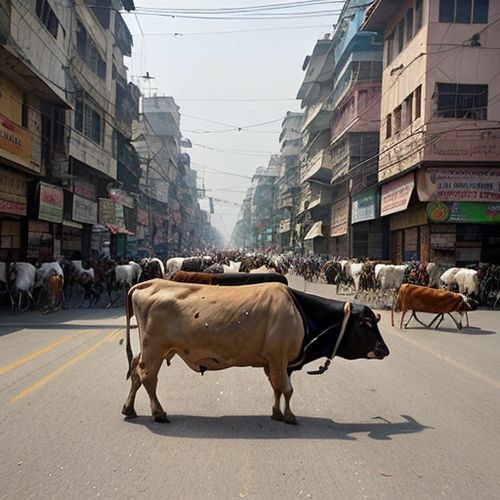
In the bustling streets of India, where vehicles, pedestrians, and animals often share the same space, one peculiar yet culturally significant phenomenon stands out: the practice of cattle yielding. Unlike Western countries where traffic rules prioritize vehicles, Indian roads frequently witness drivers patiently maneuvering around cows that leisurely occupy thoroughfares. This unique interaction between humans and bovines reflects deeper socio-religious complexities that defy conventional urban planning logic.
Life

Buddhist Country Attire

By Laura Wilson/Apr 14, 2025

The clothing traditions of Buddhist-majority countries reflect a rich interplay between spiritual values, cultural identity, and practical adaptation to climate. Across Southeast Asia and the Himalayas, garments are not merely functional but serve as visual expressions of religious devotion, social status, and regional heritage. The flowing saffron robes of monks might be the most universally recognized Buddhist attire, yet laypeople's clothing reveals equally fascinating stories woven through centuries of tradition.
Life

Taboo of the Left Hand in the Middle East

By Jessica Lee/Apr 14, 2025

In many Middle Eastern cultures, the left hand carries a deeply rooted stigma that extends far beyond mere superstition. This taboo influences daily interactions, dining etiquette, and even business practices, often catching Western visitors off guard. The origins of this prohibition reveal a complex interplay between religious teachings, historical hygiene practices, and long-standing cultural norms that continue to shape social behavior across the region.
Life

Antarctic Clothing Disinfection

By Benjamin Evans/Apr 14, 2025

The vast, frozen expanse of Antarctica presents unique challenges for those who live and work there, particularly when it comes to maintaining hygiene. Among the most critical aspects of daily life in such an isolated and extreme environment is the proper disinfection of clothing. Given the limited resources, harsh weather conditions, and the need to prevent contamination, clothing disinfection is not just a matter of personal comfort—it’s a necessity for health and safety.
Life

Amazon Mosquito Protection

By George Bailey/Apr 14, 2025

As summer approaches, the buzz of mosquitoes becomes an all-too-familiar annoyance for many households. Amazon, the e-commerce giant, has stepped into the fray with a range of innovative solutions designed to keep these pesky insects at bay. From high-tech gadgets to natural repellents, the platform offers a plethora of options for consumers looking to reclaim their outdoor spaces. But how effective are these products, and what should buyers consider before making a purchase?
Life

Alaska Cruise

By Emma Thompson/Apr 14, 2025

The allure of an Alaskan cruise is undeniable. With its towering glaciers, abundant wildlife, and breathtaking landscapes, this journey offers a unique blend of adventure and relaxation. Unlike typical tropical cruises, an Alaskan voyage immerses travelers in the raw beauty of nature, where every turn reveals a new spectacle. From the moment you step aboard, the crisp air and distant calls of seabirds signal that this is no ordinary vacation.
Life

New Zealand Bungee Jumping Equipment

By John Smith/Apr 14, 2025

New Zealand is widely regarded as the birthplace of modern bungee jumping, a thrilling adventure sport that has captivated adrenaline seekers around the globe. The country's rugged landscapes and innovative spirit have made it a hub for bungee equipment development and testing. From the iconic Kawarau Bridge to the towering Nevis Bungee, New Zealand's bungee operators rely on cutting-edge gear to ensure safety while delivering unforgettable experiences.
Life

Maldives Life Jackets

By Michael Brown/Apr 14, 2025

The Maldives, a tropical paradise renowned for its crystal-clear waters and vibrant marine life, attracts millions of tourists each year. While the allure of its beaches and water activities is undeniable, the importance of life jackets in this island nation cannot be overstated. Whether you're a seasoned swimmer or a first-time visitor, the ocean's unpredictable nature demands respect and preparedness. Life jackets serve as a critical safety measure, ensuring that both locals and tourists can enjoy the Maldivian waters with confidence.
Life

Kenya Safari Charging"

By Megan Clark/Apr 14, 2025

Kenya's safari industry is undergoing a quiet revolution as eco-conscious lodges and tour operators embrace solar-powered charging solutions. The golden savannahs of Maasai Mara and the rugged terrain of Amboseli now hum with portable power stations and innovative charging kiosks, allowing travelers to stay connected without compromising the wilderness experience. This shift reflects a broader trend across East Africa's tourism sector, where sustainability meets modern convenience in unexpected ways.
Life

Snowboard Luggage for Switzerland

By Jessica Lee/Apr 14, 2025

Switzerland, with its breathtaking Alpine landscapes and world-class ski resorts, has long been a premier destination for winter sports enthusiasts. Among the many considerations for travelers heading to the Swiss slopes, transporting ski equipment—particularly snowboards—is a topic that demands attention. Whether you're a seasoned rider or a first-time visitor, understanding the logistics of snowboard托运 can make or break your trip.
Life

Sahara Tent Anchoring

By Sarah Davis/Apr 14, 2025

The vast expanse of the Sahara Desert presents a unique challenge for those who call it home, even temporarily. Nomadic tribes and modern adventurers alike must grapple with the relentless winds, shifting sands, and extreme temperatures that define this unforgiving landscape. At the heart of their survival lies a seemingly simple yet profoundly ingenious solution: the art of tent anchoring. This practice, refined over centuries, is as much about cultural heritage as it is about practical necessity.
Life

Gondola Docking in Venice

By Laura Wilson/Apr 14, 2025

The gondolas of Venice are as much a symbol of the city as its winding canals and historic architecture. These sleek, black boats have been gliding through the waterways for centuries, serving as both a practical mode of transportation and a romantic emblem of Venetian culture. Yet, behind their graceful movement lies a carefully orchestrated system of docking and maintenance that ensures their continued operation. The gondola stations, or traghetti, are hubs of activity where gondoliers gather, tourists queue, and the timeless rhythm of Venetian life unfolds.
Life

Icelandic Hot Spring Minerals

By Sophia Lewis/Apr 14, 2025

Nestled in the North Atlantic, Iceland is a land of fire and ice, where geothermal activity shapes not only the landscape but also the nation's cultural and wellness traditions. Among its most treasured natural resources are the mineral-rich hot springs that dot the island, drawing visitors from around the world seeking relaxation and rejuvenation. These geothermal waters, infused with a unique blend of silica, sulfur, and other trace elements, have been celebrated for centuries for their therapeutic properties.
Life

International Exchange Rate Alert

By Natalie Campbell/Apr 14, 2025

The global financial markets have been experiencing heightened volatility in recent months, with currency fluctuations becoming a focal point for investors, policymakers, and businesses alike. Exchange rate movements, often influenced by geopolitical tensions, economic data releases, and central bank policies, have triggered widespread concerns about potential risks to trade, investment, and economic stability. As nations grapple with these challenges, the need for robust international exchange rate mechanisms has never been more pressing.
Life

Counterfeit Money Detection in Thailand

By Eric Ward/Apr 14, 2025

Thailand has long been a popular destination for tourists and business travelers alike, but like many countries, it faces challenges with counterfeit currency. The issue of fake banknotes is not unique to Thailand, but the country has seen its fair share of fraudulent bills circulating in the market. Recognizing counterfeit Thai baht is crucial for both locals and visitors to avoid financial losses and legal complications.
Life

Swiss Bank Safe Deposit Box

By Laura Wilson/Apr 14, 2025

The allure of Swiss bank safety deposit boxes has captivated the global elite for over a century. Nestled deep within the vaults of Geneva, Zurich, and Lugano, these unassuming metal containers represent far more than secure storage—they embody discretion, stability, and a unique financial tradition that survives in our digital age. While cryptocurrency wallets and cloud storage dominate conversations about asset protection, the physicality of a Swiss safe deposit box continues to hold irreplaceable value for certain clients.
Life

South Korean Tax Refund Machine

By Sophia Lewis/Apr 14, 2025

South Korea has long been a favorite destination for travelers seeking a blend of modern innovation and rich cultural heritage. Among the many conveniences offered to tourists, the country's tax refund system stands out as a seamless and efficient way to save money while shopping. In recent years, the introduction of automated tax refund kiosks has revolutionized the process, making it faster and more accessible than ever before.
Life

Cashless Payments in Australia

By George Bailey/Apr 14, 2025

Australia has been steadily moving toward becoming a cashless society, with digital payments now dominating everyday transactions. The shift has been accelerated by technological advancements, changing consumer habits, and the impact of the COVID-19 pandemic, which pushed more people toward contactless and online payment methods. From bustling city cafes to remote rural businesses, the reliance on cash is diminishing, replaced by the convenience of cards, mobile wallets, and instant bank transfers.
Life

Canadian Coin Recycling

By Laura Wilson/Apr 14, 2025

The jingle of loose change in pockets and purses is a familiar sound across Canada, but what happens to those coins when they’re no longer needed? Coin recycling in Canada is a multifaceted process that involves individuals, businesses, and financial institutions working together to ensure that unused or outdated currency finds its way back into circulation or is repurposed entirely. While many Canadians may not give much thought to the fate of their spare coins, the systems in place for recycling them are both intricate and essential to the country’s economy.
Life

Inquire about the gold price period in the Middle East

By Daniel Scott/Apr 14, 2025

The gold markets of the Middle East operate within unique temporal frameworks that both reflect regional business customs and respond to global financial currents. Unlike Western markets that strictly adhere to Greenwich Mean Time or Eastern Time, Middle Eastern gold trading follows rhythms dictated by local culture, Islamic financial principles, and the strategic geographical position bridging Asian and European trading hours.