In many Middle Eastern cultures, the left hand carries a deeply rooted stigma that extends far beyond mere superstition. This taboo influences daily interactions, dining etiquette, and even business practices, often catching Western visitors off guard. The origins of this prohibition reveal a complex interplay between religious teachings, historical hygiene practices, and long-standing cultural norms that continue to shape social behavior across the region.
The Quranic emphasis on ritual purity established early Islamic guidelines regarding bodily functions and cleanliness. While not explicitly forbidding left-hand use, these teachings created an association between the left hand and impurity that permeated cultural attitudes. Historical accounts from medieval Islamic physicians further reinforced this divide, with medical texts often describing the left hand as biologically inferior - a belief that persisted through generations despite lacking scientific basis.
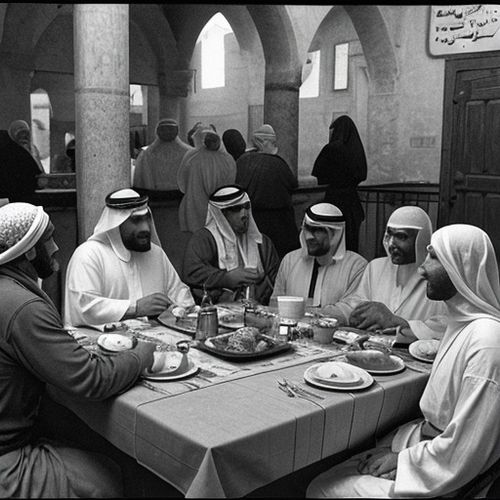
Contemporary Middle Eastern societies manifest this taboo through countless unwritten rules. During meals, the right hand alone touches food, with the left discreetly resting at one's side or behind the back. Handshakes initiated with the left hand may cause visible discomfort, and passing documents or gifts left-handed can be interpreted as deliberate disrespect. These customs hold particular weight in conservative communities, where elders might openly correct offenders to prevent social faux pas.
Regional variations add layers to this cultural complexity. In Saudi Arabia's Najd region, left-hand use during meals borders on taboo, while Levantine countries demonstrate slightly more flexibility, especially in cosmopolitan areas. Gulf states maintain strict adherence, particularly during traditional coffee ceremonies where the right hand must handle both the serving pot and cups. Yemeni tribal customs take this further, considering left-handed gestures during negotiations as potentially hostile acts.
The business implications of this taboo frequently surprise foreign executives. A marketing director in Dubai recounts how an otherwise promising partnership nearly collapsed when a European associate repeatedly signed contracts while holding his pen left-handed. Such incidents underscore how deeply these unspoken rules affect professional relationships, with many multinational corporations now including left-hand etiquette in cultural training for Middle Eastern postings.
Psychological studies conducted in Kuwait and Qatar reveal the taboo's internalization begins in early childhood. Parents gently but persistently redirect toddlers' hand use during feeding, creating neural pathways that associate the right hand with cleanliness and social acceptance. This conditioning runs so deep that many Middle Eastern left-handers report developing ambidextrous abilities specifically for public situations, reserving their natural inclination for private moments.
Religious scholars offer nuanced interpretations of this practice. While all agree that using the right hand reflects sunnah (Prophetic tradition), debates continue about whether left-hand use constitutes makruh (disliked) or haram (forbidden). This theological gray area allows for generational shifts, with younger urban Muslims increasingly viewing the taboo as cultural rather than religious - a distinction that drives gradual change in cosmopolitan centers.
The hygiene argument underlying this tradition bears examination in modern contexts. While historical concerns about inadequate sanitation justified strict hand-use separation, contemporary Middle Eastern cities boast advanced infrastructure. Yet the practice persists, suggesting its function has transformed from practical sanitation measure to cultural identifier - a way to distinguish insiders from outsiders and maintain traditional values amid globalization.
Tourism professionals report increasing incidents related to this cultural gap. Resort staff in Sharm el-Sheikh describe European guests unwittingly offending Egyptian waitstaff by reaching for bread with their left hands, while tour guides in Istanbul keep wet wipes handy to discreetly offer left-handed travelers before mosque visits. Such intercultural friction points highlight the ongoing relevance of this ancient custom in an increasingly connected world.
Anthropologists observe fascinating adaptations to this tradition in multicultural environments. At American universities with sizable Middle Eastern populations, left-handed students from the region often develop situational awareness - effortlessly switching hand preferences depending on their dining companions. This behavioral code-switching illustrates how cultural taboos transform in diaspora communities while retaining emotional significance.
Medical professionals in the region confront unique challenges stemming from this taboo. Rehabilitation therapists report left-handed stroke patients resisting left-limb therapy due to deeply ingrained aversion, while pediatricians note higher incidence of right-hand overuse injuries in countries where left-hand suppression remains prevalent. These health consequences prompt quiet reconsideration of the taboo's practical impacts.
The digital age introduces new dimensions to this ancient practice. Touchscreen devices somewhat neutralize the physical aspect of the taboo, though cultural traditionalists still frown upon left-handed phone use during meals. Social media has become a battleground between conservatives defending the practice as cultural heritage and reformers dismissing it as outdated superstition, with viral videos of left-handed Arabs eating intentionally sparking heated online debates.
Globalization gradually reshapes attitudes, particularly in cities like Dubai and Beirut where international exposure runs high. Upscale restaurants now discreetly provide left-handed cutlery upon request, and luxury hotels train staff to avoid visibly reacting to left-handed gestures from foreign guests. This pragmatic adaptation preserves cultural values while accommodating diverse visitors - a compromise reflecting the region's balancing act between tradition and modernity.
Beneath surface-level etiquette lies a profound cultural metaphor. The right-left dichotomy mirrors broader Middle Eastern values surrounding purity and pollution, sacred and profane. Understanding this deeper symbolism helps explain why such seemingly minor behavioral norms generate strong emotional responses and why they persist despite practical irrelevance in an era of modern sanitation and globalized manners.
For Westerners engaging with Middle Eastern partners, awareness of this taboo remains essential. Seasoned diplomats and business veterans recommend simple strategies: keeping the left hand visibly occupied (holding a notebook or gesturing with the right), accepting items with both hands when uncertain, and observing then mirroring local counterparts' behavior. Such cultural fluency often earns disproportionate respect, demonstrating willingness to honor unspoken social codes.
As generational attitudes shift, the future of this taboo remains uncertain. While traditionalists maintain strict adherence as cultural preservation, younger generations increasingly prioritize practicality over archaic norms. Yet even progressives often unconsciously maintain the practice during formal occasions or around elders, proving how deeply culture embeds itself in muscle memory and social instinct.
By Thomas Roberts/Apr 14, 2025
By Laura Wilson/Apr 14, 2025
By Jessica Lee/Apr 14, 2025

By Benjamin Evans/Apr 14, 2025

By George Bailey/Apr 14, 2025

By Emma Thompson/Apr 14, 2025

By John Smith/Apr 14, 2025

By Michael Brown/Apr 14, 2025

By Megan Clark/Apr 14, 2025

By Jessica Lee/Apr 14, 2025

By Sarah Davis/Apr 14, 2025

By Laura Wilson/Apr 14, 2025

By Sophia Lewis/Apr 14, 2025

By Natalie Campbell/Apr 14, 2025
By Eric Ward/Apr 14, 2025

By Laura Wilson/Apr 14, 2025

By Sophia Lewis/Apr 14, 2025

By George Bailey/Apr 14, 2025

By Laura Wilson/Apr 14, 2025

By Daniel Scott/Apr 14, 2025