The intersection of minimalism and Zen Buddhist aesthetics offers a fascinating lens through which to examine how simplicity transcends cultural boundaries. Though originating in vastly different contexts—one rooted in 20th-century Western design principles, the other in ancient Eastern philosophy—both traditions share a profound reverence for emptiness, intentional restraint, and the elimination of superfluous elements. Yet beneath these surface similarities lie nuanced divergences in worldview, function, and artistic expression that reveal deeper cultural values.
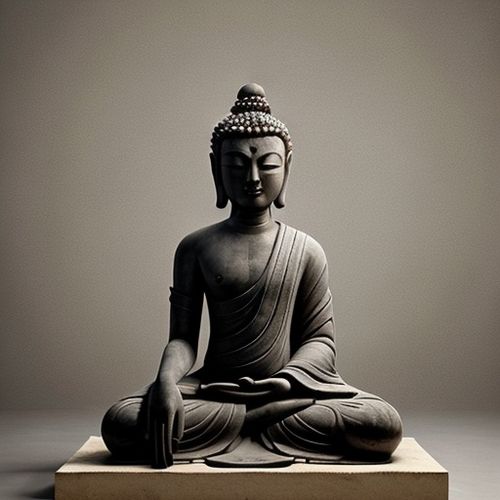
At first glance, the clean lines of a Donald Judd sculpture and the raked gravel of a Kyoto temple garden appear to speak the same visual language. Both reduce form to its essence, creating spaces where absence feels more potent than presence. Modern minimalism, born from the austerity of post-war art movements, sought to strip away metaphor and emotionalism, leaving only the "thing itself." Zen gardens, by contrast, use deliberate voids to mirror the Buddhist concept of mu (nothingness)—not as an endpoint but as a gateway to enlightenment. Where minimalism often celebrates materiality (think of the precision in Carl Andre’s steel plates), Zen aesthetics treat physical forms as fleeting illusions.
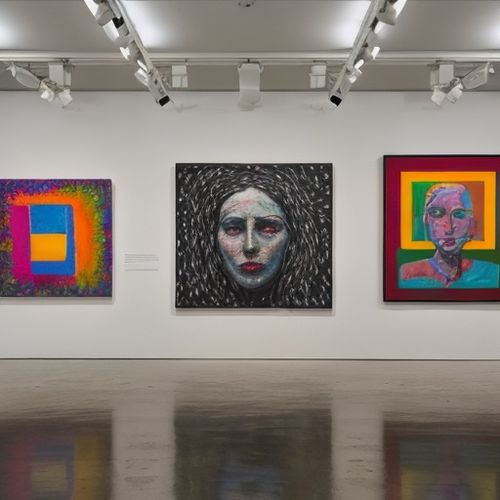
The role of the artist differs markedly between these traditions. Contemporary minimalists consciously rebel against artistic conventions, their work a deliberate statement against excess. The Zen monk arranging stones follows a centuries-old discipline aimed at dissolving the ego rather than asserting individuality. This distinction echoes in their respective audiences: minimalist art demands intellectual engagement within gallery walls, while Zen gardens invite participatory meditation, their meaning unlocked through sustained contemplation rather than immediate perception.
Materiality versus ephemerality emerges as another point of contrast. Consider the stark white canvases of Agnes Martin—meticulously measured and permanently fixed. Compare this to the karesansui (dry landscape) garden that changes with the angle of sunlight, where morning shadows become part of the composition. The minimalist artwork strives for timeless perfection, whereas Zen creations embrace wabi-sabi, finding beauty in impermanence and irregularity. A crack in a Richard Serra sculpture would be considered damage; the weathered wood of a tea house embodies cherished authenticity.
Cultural historian Toshihiko Izumi notes how Western minimalism often carries an implicit utopianism—the belief that removing clutter can perfect human experience. The Zen tradition makes no such promise; its simplicity serves not to improve daily life but to reveal life’s fundamental impermanence. The difference manifests in domestic spaces: Scandinavian minimalist interiors optimize functionality, while Japanese shoin-zukuri rooms use measured emptiness to facilitate spiritual awareness.
Yet in our hyper-consumerist age, both philosophies gain new relevance as counterpoints to material saturation. Tech companies now employ minimalist design to soothe overwhelmed users, while mindfulness apps adapt Zen principles for digital detoxing. This contemporary convergence suggests that beyond their historical differences, both traditions offer vital tools for navigating modernity’s complexities—one through formal purity, the other through mindful presence.
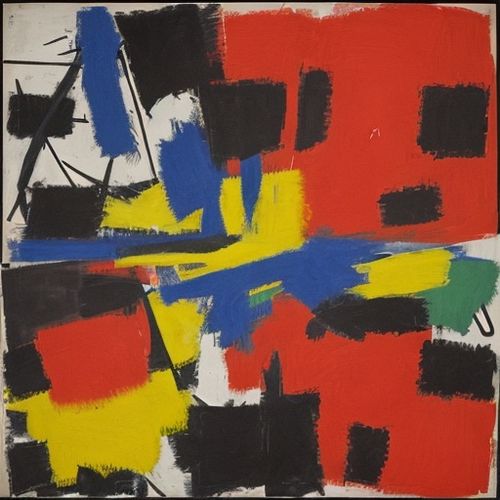
The dialogue between these aesthetics continues to evolve. Architects like Tadao Ando synthesize the two, creating concrete structures that feel simultaneously monumental and transient. Global exhibitions increasingly pair Rothko’s color fields with sumi-e ink paintings, highlighting how reductionism operates across cultural spectra. What emerges is not a hierarchy of approaches but a rich tapestry demonstrating how humans across time and geography have sought meaning through less.
Perhaps the most enduring lesson from this cross-cultural study lies in recognizing that simplicity is never simple. Whether through the exacting ratios of a Dieter Rams radio or the asymmetrical balance of a tokonoma alcove, these traditions remind us that true minimalism requires rigor without rigidity—a paradox that continues to inspire designers and spiritual seekers alike.
By Sophia Lewis/Apr 12, 2025
By Victoria Gonzalez/Apr 12, 2025

By Olivia Reed/Apr 12, 2025
By Sophia Lewis/Apr 12, 2025
By Megan Clark/Apr 12, 2025
By Emily Johnson/Apr 12, 2025
By Benjamin Evans/Apr 12, 2025
By Rebecca Stewart/Apr 12, 2025

By Grace Cox/Apr 12, 2025
By Grace Cox/Apr 12, 2025
By Sarah Davis/Apr 12, 2025
By Emma Thompson/Apr 12, 2025

By Michael Brown/Apr 12, 2025
By Lily Simpson/Apr 12, 2025

By John Smith/Apr 12, 2025
By Lily Simpson/Apr 12, 2025
By Rebecca Stewart/Apr 12, 2025
By Emily Johnson/Apr 12, 2025
By Natalie Campbell/Apr 12, 2025
By Jessica Lee/Apr 12, 2025