The art world is undergoing a quiet revolution, one that merges creativity with environmental responsibility. At the forefront of this movement are bioplastic sculptural materials – innovative mediums that promise the aesthetic flexibility of traditional plastics while embracing full biodegradability within three months. These materials aren’t just challenging artistic conventions; they’re redefining what it means to create sustainably in an era of ecological crisis.
Unlike conventional plastics that linger for centuries, bioplastic sculptures undergo a poetic return to nature. Derived from plant starches, cellulose, or even algae, these materials decompose through microbial action when exposed to soil, leaving no toxic residues. Artists report an almost philosophical dimension to working with such ephemeral mediums, where the very act of creation acknowledges impermanence – a stark contrast to the immortality-seeking traditions of bronze or marble.
The science behind these materials reveals why they’re gaining traction in studio spaces worldwide. Most formulations utilize polylactic acid (PLA) derived from fermented corn starch, combined with natural plasticizers for workability. When properly formulated, these bioplastics achieve tensile strengths comparable to petroleum-based polymers during their usable life, yet break down completely within 90 days in industrial composting conditions. Some avant-garde variants even incorporate mycelium networks that actively accelerate the degradation process.
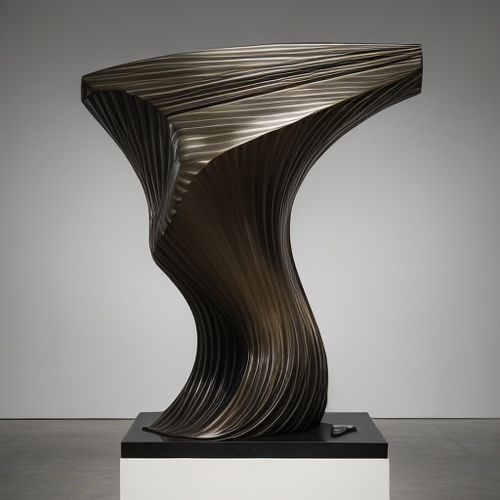
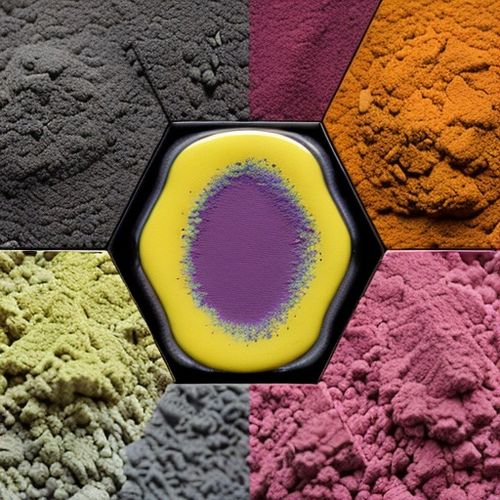
Gallery owners note increasing collector interest in bioplastic artworks, particularly among younger demographics. There’s growing appreciation for pieces that embody environmental ethics without sacrificing visual impact. The materials accept pigments exceptionally well, allowing for vibrant coloration, and can be molded, extruded, or 3D-printed with precision. This technical versatility makes them appealing to both traditional sculptors and digital fabrication artists.
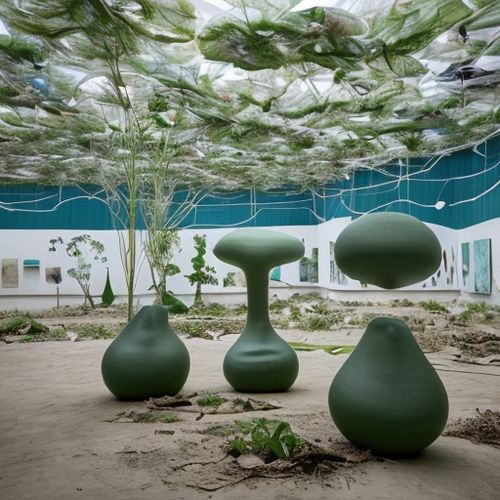
Critics initially questioned whether bioplastics could achieve the sophistication expected in fine art contexts. These doubts have been largely silenced by recent exhibitions featuring breathtaking large-scale installations. One notable show in Berlin displayed a cathedral-like structure of interlocking bioplastic modules that visitors watched gradually transform over the exhibition’s twelve-week run. The piece became a meditation on time and transformation, its physical changes sparking daily conversations about humanity’s relationship with material permanence.
Educational institutions are rapidly adopting these materials in their curricula. Art schools report that working with bioplastics provides students with hands-on experience in sustainable practices while still developing traditional sculptural skills. The materials’ forgiving nature during creation and their definitive endpoint also encourage experimental approaches that might feel too risky with permanent mediums.
The commercial art world is taking notice. Major art fairs now include sustainability categories where bioplastic works feature prominently. Auction houses have developed specialized protocols for documenting and valuing these time-sensitive pieces, including detailed degradation timelines and preservation options for collectors who wish to extend the works’ lifespan through controlled environments.
Behind the scenes, material scientists collaborate closely with artists to push boundaries. Recent breakthroughs include bioplastic composites that change color as degradation begins, creating living palettes, and formulations that release plant nutrients during breakdown to support new growth. One research team has even developed a version that emits subtle, pleasant aromas as it decomposes – adding an olfactory dimension to the artistic experience.
Practical considerations for artists working with these materials differ significantly from traditional mediums. Storage requires climate control to prevent premature degradation, and transportation needs careful planning. Some creators embrace these constraints as part of the creative process, while others work with conservation specialists to develop stabilizing techniques that pause degradation until the artwork reaches its exhibition site.
The philosophical implications ripple beyond gallery walls. As museums grapple with their role in climate change, bioplastic art offers a model for temporary exhibitions that leave no permanent environmental burden. Curators speak of a paradigm shift where value is measured not just in aesthetic terms but in ecological impact – a redefinition of artistic legacy for the Anthropocene era.
Looking ahead, the convergence of biotechnology and art promises even more astonishing developments. Experimental bio-labs are culturing sculptural materials from bacterial cellulose that self-repair minor damage. Other researchers are programming degradation timelines so sculptures dissolve in precise patterns, creating four-dimensional artworks that evolve predictably over time. These innovations suggest we’re only beginning to glimpse bioplastic’s potential to transform artistic practice.
For all their promise, challenges remain. Production costs currently exceed conventional plastics, though prices are falling as adoption grows. There’s also ongoing debate about optimal disposal methods, as home composting may not achieve complete breakdown. Yet most in the art world agree these are surmountable hurdles in what appears to be an inevitable shift toward materials that honor both creative vision and planetary boundaries.
The rise of three-month biodegradable sculptures represents more than a technical innovation – it’s a cultural realignment. As artists demonstrate that temporal limitation can coexist with profound beauty, they offer a metaphor for sustainable living that resonates far beyond the studio. In these fragile, fleeting forms, we may be witnessing the emergence of art’s next great movement: one that measures its success not in centuries of preservation, but in its graceful return to the earth.
By Sophia Lewis/Apr 12, 2025
By Victoria Gonzalez/Apr 12, 2025

By Olivia Reed/Apr 12, 2025
By Sophia Lewis/Apr 12, 2025

By Megan Clark/Apr 12, 2025
By Emily Johnson/Apr 12, 2025
By Benjamin Evans/Apr 12, 2025
By Rebecca Stewart/Apr 12, 2025

By Grace Cox/Apr 12, 2025
By Grace Cox/Apr 12, 2025
By Sarah Davis/Apr 12, 2025

By Emma Thompson/Apr 12, 2025

By Michael Brown/Apr 12, 2025

By Lily Simpson/Apr 12, 2025

By John Smith/Apr 12, 2025

By Lily Simpson/Apr 12, 2025
By Rebecca Stewart/Apr 12, 2025
By Emily Johnson/Apr 12, 2025

By Natalie Campbell/Apr 12, 2025
By Jessica Lee/Apr 12, 2025