The rediscovery and modern replication of Egyptian blue pigment stands as one of the most fascinating intersections between archaeology, chemistry, and art history. Known scientifically as calcium copper silicate (CaCuSi4O10), this vibrant pigment adorned the walls of ancient temples, statues, and even the tombs of pharaohs. For centuries, the exact method of its production remained a mystery, lost to time like so many other secrets of antiquity. Today, through painstaking research and experimentation, scientists and artisans have successfully recreated this legendary hue using both traditional techniques and modern technology.
The journey to unlock the secrets of Egyptian blue began with the analysis of ancient artifacts. Archaeologists and chemists examined fragments of pottery, wall paintings, and other objects coated with the pigment. Using advanced spectroscopic techniques, they identified its unique chemical signature. What emerged was a complex understanding of how ancient Egyptians sourced raw materials—sand from the Nile, copper ores from the Sinai Peninsula, and natron (a naturally occurring salt) from desert lakes. The precise ratios and firing temperatures became key to cracking the code.
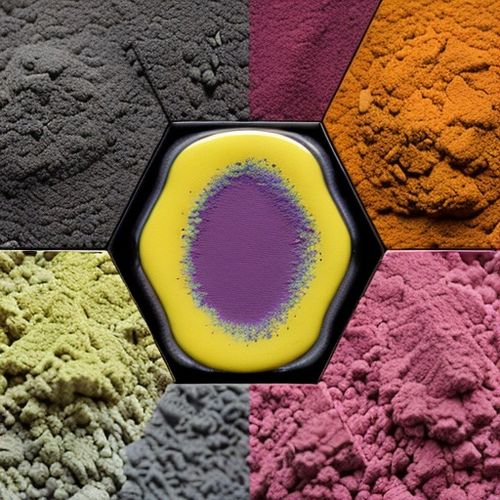
Modern recreations of Egyptian blue start with sourcing materials as close as possible to those used millennia ago. Silica-rich sand forms the base, while malachite or azurite—copper-bearing minerals—provide the essential colorant. These ingredients are ground into a fine powder before being mixed with calcium carbonate and natron. The mixture is then placed in ceramic crucibles and heated in a kiln at temperatures between 850°C and 950°C for several hours. This high-temperature reaction triggers a chemical transformation, fusing the components into the distinctive blue compound.
One of the most remarkable aspects of this process is how closely it mirrors ancient methods. Contemporary artisans have discovered that slight variations in temperature or ingredient proportions can result in dramatically different shades—from deep ultramarine to pale turquoise. This explains why surviving examples of Egyptian blue exhibit such a range of tones. The modern replication process has also revealed why the pigment was so prized: its exceptional lightfastness. Unlike many organic dyes that fade over time, Egyptian blue remains strikingly vivid even after thousands of years.
The applications of revived Egyptian blue extend far beyond academic curiosity. Artists specializing in historical techniques have embraced the pigment for its authenticity and unique visual qualities. Conservationists use it to repair ancient artworks, ensuring repairs remain chemically and aesthetically true to the original. Perhaps most surprisingly, materials scientists have found that Egyptian blue exhibits unusual luminescent properties under certain lighting conditions, opening doors for potential use in modern technologies like medical imaging or anti-counterfeiting measures.
Beyond the laboratory and studio, the story of Egyptian blue's revival speaks to our enduring fascination with ancient civilizations. Holding a sample of this recreated pigment connects us directly to the artisans of Thebes and Memphis who first perfected its manufacture. The modern replication process serves as a bridge across millennia, demonstrating that some achievements of the ancient world—their mastery of color, their understanding of materials—remain worthy of our admiration and study today. As research continues, each new batch of Egyptian blue offers fresh insights into one of humanity's oldest and most beautiful technological achievements.
By Sophia Lewis/Apr 12, 2025
By Victoria Gonzalez/Apr 12, 2025

By Olivia Reed/Apr 12, 2025
By Sophia Lewis/Apr 12, 2025

By Megan Clark/Apr 12, 2025
By Emily Johnson/Apr 12, 2025
By Benjamin Evans/Apr 12, 2025

By Rebecca Stewart/Apr 12, 2025

By Grace Cox/Apr 12, 2025

By Grace Cox/Apr 12, 2025
By Sarah Davis/Apr 12, 2025

By Emma Thompson/Apr 12, 2025

By Michael Brown/Apr 12, 2025
By Lily Simpson/Apr 12, 2025

By John Smith/Apr 12, 2025

By Lily Simpson/Apr 12, 2025

By Rebecca Stewart/Apr 12, 2025

By Emily Johnson/Apr 12, 2025

By Natalie Campbell/Apr 12, 2025

By Jessica Lee/Apr 12, 2025