The debate over street art's place in urban environments has intensified in recent years, with cities worldwide grappling with how to regulate this often-controversial form of expression. Berlin and London, two European cultural capitals with rich histories of street art, have taken markedly different approaches to its legalization. While Berlin has embraced street art as an integral part of its cultural identity, London's policies remain more restrictive, reflecting an ongoing tension between artistic freedom and urban governance.
Berlin's relationship with street art is deeply rooted in its political history. Following the fall of the Berlin Wall, the city became a canvas for artists seeking to express newfound freedoms. Today, Berlin boasts numerous legal walls and designated areas where street artists can work without fear of prosecution. The city government has actively supported street art through initiatives like the "Haus Schwarzenberg" project, which provides space for artists to create large-scale murals. This approach recognizes street art's cultural value while attempting to curb illegal tagging through controlled outlets.
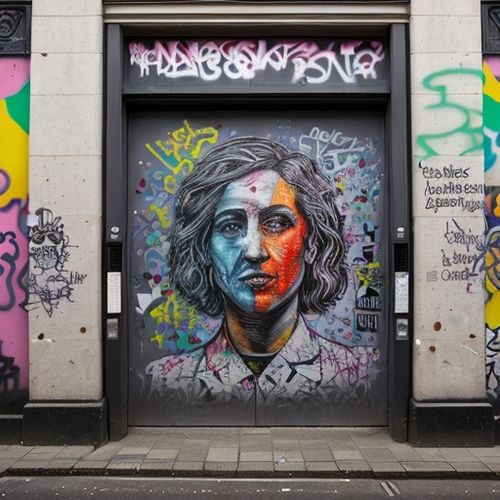
London's stance on street art remains more ambivalent. While certain areas like Shoreditch have become internationally recognized street art hubs, the practice remains largely illegal without property owner consent. The city has experimented with temporary legal walls and commissioned murals, but lacks Berlin's systematic approach. London's authorities continue to remove unauthorized works, even those considered culturally significant, leading to ongoing conflicts between artists and local councils.
The economic impact of street art tourism has influenced Berlin's policies significantly. Neighborhoods like Kreuzberg attract thousands of visitors annually to see ever-changing murals and installations. This cultural tourism generates substantial revenue, creating a powerful incentive for the city to maintain its street-art-friendly reputation. Berlin's government has skillfully balanced regulation with artistic freedom, implementing a permit system for certain walls while turning a blind eye to unauthorized works in designated zones.
In contrast, London's approach reflects its stricter private property laws and more conservative urban planning traditions. The city's occasional embrace of street art often comes through private initiatives or temporary projects rather than sustained public policy. While London has produced world-famous street artists like Banksy, their works exist in a legal gray area - celebrated when they appear, but technically vulnerable to removal at any time. This inconsistency has led to criticism from arts organizations arguing that London risks losing its edge as a global cultural capital.
Community engagement plays a crucial role in Berlin's successful integration of street art into urban life. Neighborhood associations frequently collaborate with artists to create works that reflect local identity, fostering a sense of ownership and pride. This bottom-up approach has helped street art gain mainstream acceptance as a legitimate art form rather than mere vandalism. Berlin's residents largely view street art as enhancing their environment rather than degrading it - a stark contrast to many other cities where graffiti remains associated with urban decay.
London's more fragmented approach yields mixed results. While some boroughs actively support street art projects, others maintain zero-tolerance policies. This patchwork of regulations creates confusion for artists and limits the development of a cohesive street art culture. The city's occasional crackdowns on unauthorized works often backfire, generating media attention that ironically increases the prestige of the removed artwork. This dynamic reveals the inherent contradictions in attempting to control an art form that thrives on its subversive energy.
Environmental considerations have begun influencing street art policies in both cities. Berlin's use of street art to revitalize neglected neighborhoods aligns with sustainable urban development goals, transforming blank walls into community assets. London has similarly employed street art in regeneration projects, though with less consistency. Both cities face challenges in balancing artistic expression with environmental concerns, particularly regarding the chemical composition of spray paints and long-term preservation of outdoor artworks.
The future of street art regulation may lie somewhere between Berlin's permissiveness and London's restraint. As both cities continue to evolve their policies, they serve as important case studies for urban centers worldwide. What remains clear is that street art has moved beyond its counterculture origins to become a significant factor in urban planning, cultural policy, and economic development. The differing approaches of Berlin and London highlight the complex interplay between artistic freedom, property rights, and community values in shaping twenty-first century cities.

By Sophia Lewis/Apr 12, 2025

By Victoria Gonzalez/Apr 12, 2025

By Olivia Reed/Apr 12, 2025

By Sophia Lewis/Apr 12, 2025

By Megan Clark/Apr 12, 2025

By Emily Johnson/Apr 12, 2025

By Benjamin Evans/Apr 12, 2025

By Rebecca Stewart/Apr 12, 2025
By Grace Cox/Apr 12, 2025

By Grace Cox/Apr 12, 2025
By Sarah Davis/Apr 12, 2025

By Emma Thompson/Apr 12, 2025

By Michael Brown/Apr 12, 2025

By Lily Simpson/Apr 12, 2025

By John Smith/Apr 12, 2025

By Lily Simpson/Apr 12, 2025
By Rebecca Stewart/Apr 12, 2025

By Emily Johnson/Apr 12, 2025
By Natalie Campbell/Apr 12, 2025

By Jessica Lee/Apr 12, 2025